Getting There & Around
Embarking on a cross-country journey to Yosemite National Park by rail offers a stark contrast to the rapid pace of typical business travel. This multi-modal expedition, originating near Yellowstone National Park in Montana, spans five days and nearly 1,400 miles, making it significantly slower and potentially more expensive than air travel, yet it delivers an unparalleled experience of America's diverse landscapes. The initial leg of this extensive trip involves a crucial bus transfer. Travelers begin with an approximately 8-hour journey on the Salt Lake Express, a private shuttle service, from West Yellowstone, Montana, to Salt Lake City, Utah. This route includes a transfer in Rexburg, Idaho, where passengers switch to a larger motorcoach. While one bus lacked power outlets, the subsequent coach offered essential charging capabilities, a key consideration for business travelers.
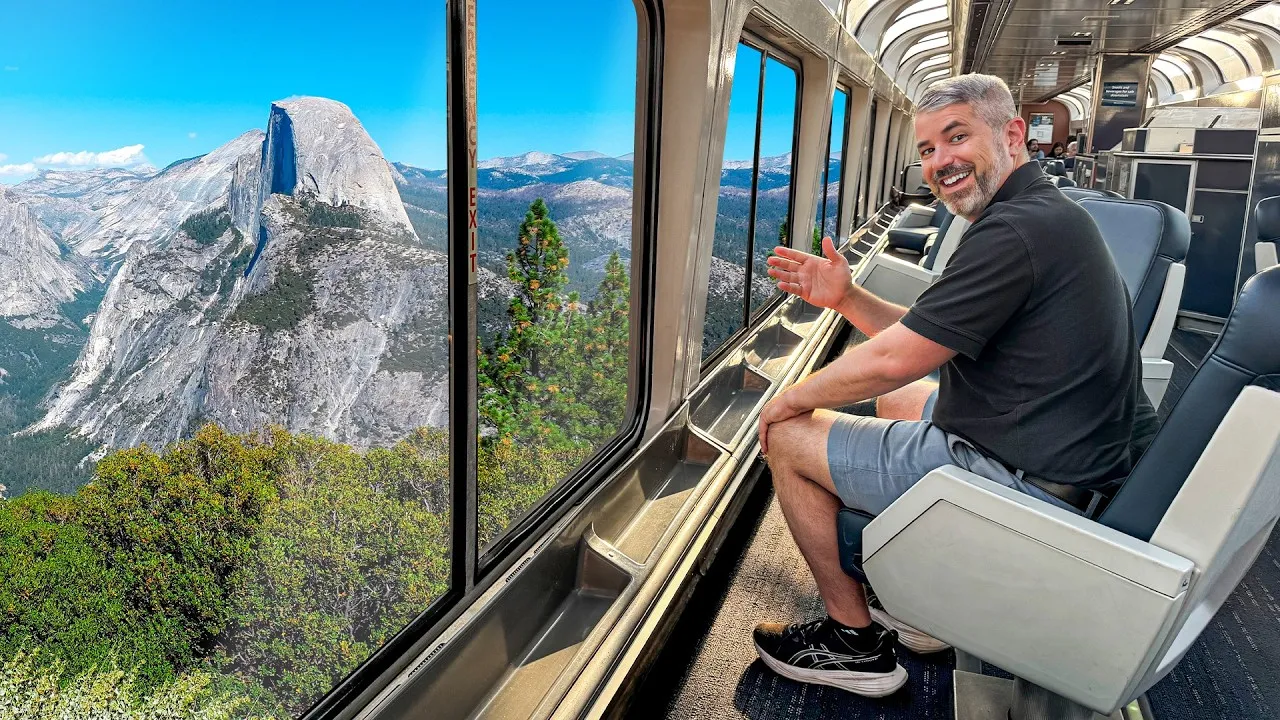
Upon arrival in Salt Lake City, a planned overnight layover is recommended before boarding the first train. The primary rail segment is an 18-hour overnight journey on Amtrak's California Zephyr from Salt Lake City to Emeryville, California, covering 830 miles. This leg offers a unique opportunity for rest and observation, with included meals for bedroom passengers and access to the Sightseer Lounge. Delays, as experienced with a one-hour late departure, are a possibility that should be factored into planning. Scenic highlights include the Truckee River, Donner Lake, and the Sierra Nevada mountains, culminating in views of San Francisco Bay upon arrival in Emeryville.
From Emeryville, an Amtrak connector bus provides a convenient 30-minute transfer across the bay to San Francisco. After a recommended day of exploring San Francisco, another Amtrak connector bus is necessary to return to Emeryville to catch the next train. The second train leg is a 3-hour journey on Amtrak's San Joaquins from Emeryville to Merced, California, covering 123 miles. This commuter service, known for its modern amenities including free snacks, Wi-Fi, and ample workspace, offers a comfortable ride despite potential delays, such as a 30-minute stop due to track issues. The final approach to Yosemite involves a 3-hour bus ride on the Yosemite Area Regional Transportation System (YARTS) from Merced into Yosemite Valley Lodge. This local bus service provides a scenic tour of the park and, notably, waives the park entrance fee for passengers. Within Yosemite Valley, a complimentary shuttle system provides easy access to most trailheads, making it an approachable park for exploration without a private vehicle.
Where to Stay
Strategic accommodation choices are paramount when undertaking a multi-day, multi-modal journey to maximize comfort and minimize travel fatigue. During the extensive layover in Salt Lake City, securing a hotel room, even for a few hours, proved invaluable. With the westbound Amtrak train from Salt Lake City scheduled for a midnight departure (which was further delayed by an hour), a hotel stay allowed for essential rest, showering, and napping. While the specific hotel name was not mentioned, the decision to splurge on this convenience was highlighted as well worth the investment, particularly given the basic nature of the Salt Lake City Amtrak station.
In San Francisco, a day was dedicated to recharging and exploring the city, implying a hotel stay, though no specific property was detailed. The focus here was on physical activity and enjoying the urban environment after extended periods of sitting on buses and trains, suggesting a centrally located hotel would be beneficial for ease of access to the city's attractions and public transport connections.
The highlight accommodation of the trip was the Yosemite Valley Lodge, located directly in the heart of Yosemite National Park. Booking this lodge requires significant foresight; it was secured in January for a late August stay, indicating its high demand and central role in dictating the overall trip schedule. The lodge's primary appeal is its unbeatable location, offering immediate access to the park's breathtaking natural beauty. Rooms, such as the one described with an unexpected two-bed configuration, provide comfortable amenities, including fans and a coffee maker. Beyond the room, the lodge's surroundings offer crisp air and the distinct, refreshing scent of wet pine. The on-site fine dining establishment, The Mountain Room, provides an upscale culinary experience within the park. Staying within the valley significantly enhances the immersive experience, allowing guests to fully appreciate Yosemite's grandeur from dawn till dusk, making the early booking and potential cost a justifiable investment for business travelers seeking to disconnect and experience nature.
Working & Connectivity
Embarking on a five-day, multi-modal journey across the American West presents both challenges and unique opportunities for maintaining connectivity and productivity for the business traveler. While this type of slow travel is often chosen for its immersive, disconnected experience, understanding the available resources is crucial. The initial bus legs of the journey offered varied connectivity. The first segment of the Salt Lake Express from West Yellowstone to Rexburg did not provide power outlets, necessitating careful battery management. However, the second, larger motorcoach from Rexburg to Salt Lake City was equipped with power plugs, a welcome addition for recharging devices during the 8-hour travel day.
On the rail segments, the experience improved significantly. Amtrak's California Zephyr, particularly when occupying a bedroom, offers a dedicated private space conducive to some work, though explicit Wi-Fi availability was not detailed for this specific train. The Sightseer Lounge on the Zephyr, while excellent for enjoying views and striking up conversations, may not always be ideal for focused work due to varying passenger numbers and the communal atmosphere. In contrast, the San Joaquins train from Emeryville to Merced stood out for its business-friendly amenities. Described as one of the nicest Amtrak trains, it featured multiple shelves of free snacks and drinks, a water bottle filler, and, critically, reliable Wi-Fi. Furthermore, the train offered plenty of space to stretch out and get work done, making it an unexpectedly productive environment for a commuter service. The modern design and amenities of these newer trains enhance the ability to stay connected and manage tasks while on the move.
Despite these pockets of connectivity, the overarching nature of this journey encourages a deliberate disconnection from the usual demands of the office. The extensive travel time, numerous transfers, and the immersive natural beauty of the national parks create an environment where traditional office work might take a backseat to observation and relaxation. This journey serves as a powerful reminder of the importance of balancing productivity with periods of genuine respite, allowing business travelers to return refreshed and with a renewed perspective. For those who can manage their workflow around intermittent connectivity and embrace the slower pace, this trip offers a unique blend of travel and downtime.