Overview & First Impressions
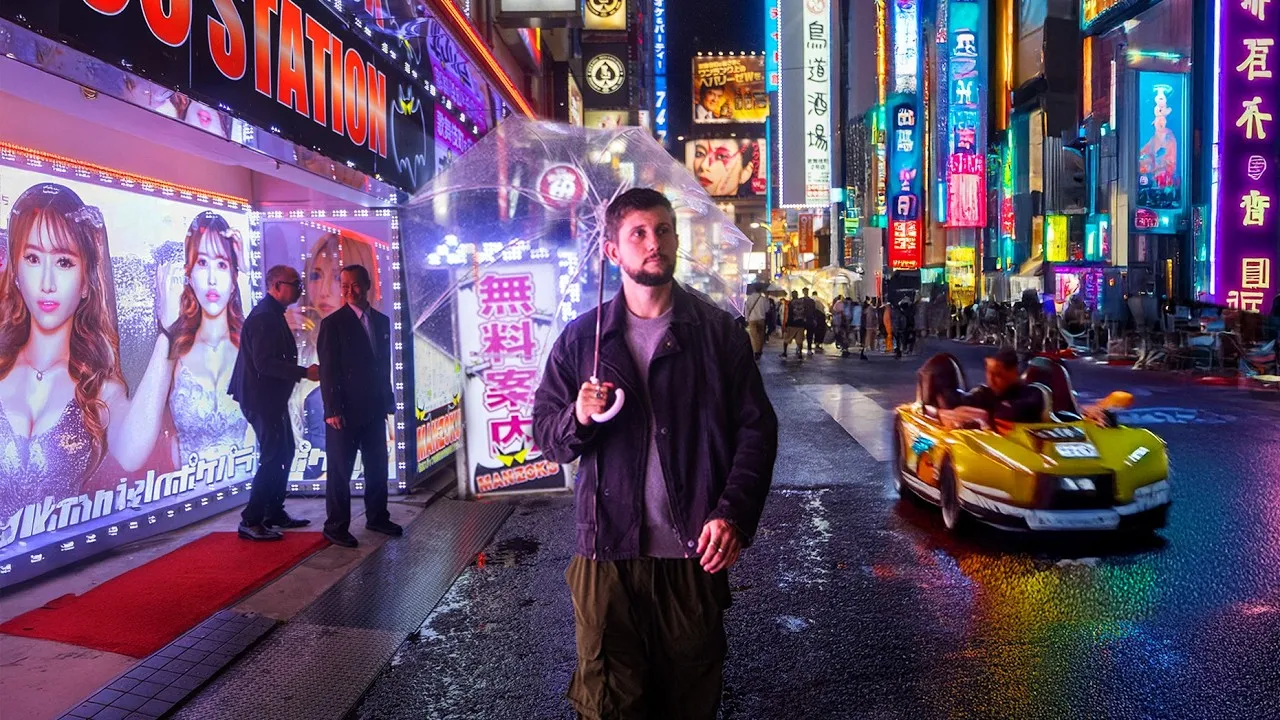
Tokyo stands as a truly unique and almost universally desired destination for discerning travelers, and for compelling reasons. The city is a captivating blend of fun, profound beauty, and a rich historical tapestry that dates back centuries. Across Japan, visitors are often struck by the pervasive dedication to mastery, where individuals are deeply immersed in their craft, a testament to a culture that reveres excellence in all forms. This commitment to perfection is a real honor to witness, elevating everyday experiences into something extraordinary. Despite its undeniable allure and vibrant surface, there's an underlying complexity, an unsettling feeling, or as some describe it, a 'hidden heartbreak beneath all the neon.' This duality, a city of extreme highs and subtle melancholies, makes Tokyo an endlessly fascinating place to explore, promising more than just a trip, but a profound cultural journey.
Even for seasoned visitors, the city's dynamic energy is palpable, evoking the same sense of wonder and excitement as a first-time encounter. With a population of nearly 15 million inhabitants, Tokyo proudly holds its position as one of the largest cities on Earth. This immense scale can, at times, be overwhelmingly vast, presenting a sensory overload that requires adaptation. Yet, this very immensity ensures that every visit, even for a fourth-time returnee, reveals something entirely new and unexpected. From its bustling, hyper-modern districts to its quiet, traditional alleyways, Tokyo constantly challenges perceptions, offering an experience that is both exhilarating and deeply thought-provoking, inviting exploration beneath its bright lights and into its deeper truths.
Key Experiences & Cultural Insights
Tokyo's reputation for the unconventional is well-earned, evident in its diverse and sometimes bizarre offerings. The city's cafe scene is a prime example, featuring establishments where coffee is served by staff dressed as maids, or where patrons can enjoy their beverages in the company of pigs. These maid cafes, while often a novelty for tourists, are surprisingly popular with locals, some even being regulars, despite the overtly energetic and occasionally uncomfortable atmosphere. Beyond the living, Tokyo even boasts cafes where servers are not 'living' – hinting at the city's innovative and sometimes eerie embrace of robotics.
The urban landscape is also dominated by an astonishing array of vending machines, solidifying Japan's status as the vending machine capital of the world. These machines dispense everything from freshly squeezed orange juice and whipped cream to different types of soy milk, curry, and even passport photos. Beyond the everyday, the city also hosts pachinko parlors, ubiquitous slot-like machines that, amidst deafening noise, draw individuals into a trance-like state, burning time and money. Public transport, exemplified by Shibuya Station—the world's busiest—highlights both efficiency and a unique social etiquette; trains, despite being packed, are remarkably silent, as speaking loudly is considered impolite. This silence can create a paradoxical feeling of invisibility in such a massive metropolis.
Diving deeper, Tokyo reveals a 'loneliness epidemic,' a profound societal challenge acknowledged by the government's appointment of a Minister of Loneliness in 2021. Statistics paint a stark picture: one in four men over 50 have never married, and approximately 50% of Tokyo residents live alone. This societal pressure and isolation contribute to phenomena like 'hikikomori,' an estimated two million individuals who have withdrawn from society, rarely leaving their homes. This underlying issue manifests in various forms, from declining birth rates to high rates of prematurely ending life. In response, unique services have emerged, such as the ability to 'rent' a grandpa, grandma, or even a dog for companionship, offering a distinctive solution to a pervasive human need. Amidst these profound observations, the vibrant and eccentric Harajuku district stands as the 'capital of Strange Town,' a hub for unique fashion and a place where encounters with J-pop bands are not uncommon. The city also features 'love hotels,' discreet accommodations offering privacy and intimacy, a reflection of Japan's once family-centric living arrangements. These varied experiences paint a complex portrait of Tokyo, a city that is simultaneously futuristic, traditional, joyful, and melancholic.
Food, Drinks & Service
Tokyo's culinary landscape is undeniably among the world's best, blending traditional mastery with innovative, sometimes eccentric, flair. A visit to the world's largest fish market offers an unparalleled glimpse into Japan's seafood culture. This bustling 'village town' within massive buildings, typically off-limits to tourists, reveals astonishing sights like tuna weighing up to 288 kilograms, with a record bluefin tuna once selling for $3.1 million. The experience extends to sampling incredibly fresh seafood, including shrimp that were alive moments before, and learning about the meticulous grading of tuna, with only four shops achieving the highest distinction.
The pursuit of culinary excellence is further exemplified by the sushi masters. At an intimate, hidden restaurant with only eight seats, a chef with 17 years of rigorous training demonstrates the art of sushi making right before your eyes. Here, one discovers the true taste of freshly grated wasabi, prepared on shark skin for an authentic texture, a stark contrast to the common horseradish imitations. The chef's humility, stating he is still learning after 15 years of mastering his craft, underscores the profound dedication to perfection inherent in Japanese culture.
Beyond fine dining, Tokyo embraces culinary quirks, from rainbow hot dogs that promise 'all your colors and nutrients' to the delightful shaved ice dessert, kakigori, which some claim is made with water from Mount Fuji. The city's food scene also champions patience; patrons often queue for over an hour for acclaimed dishes like a rich, creamy chicken ramen, a testament to the high quality found even in humble establishments. A unique aspect of Japanese dining is the prevalence of plastic food models outside restaurants, allowing diners to visually select their meals before entering.
Innovation in service also addresses societal needs. The 'Dawn' robot cafe employs disabled individuals who remotely control robot servers, creating a joyful environment that combats loneliness by facilitating interaction. Conversely, the Ichiran ramen chain offers a 'loner's dream meal' with individual cubicles, allowing patrons to enjoy their food in complete solitude, ordering via a form and receiving dishes from a mysterious hand, without uttering a single word to staff. This concept, surprisingly popular, speaks to a cultural desire for undisturbed enjoyment of good food. Even the ubiquitous Japanese toilets offer a luxurious service, featuring heated seats, bidet functions, auto-opening lids, and even musical accompaniments, elevating a basic necessity into a sophisticated experience.