Getting There & Around
Navigating China's vast and diverse landscape offers a unique blend of ancient charm and modern efficiency. For international arrivals, Shanghai serves as a primary hub, offering connections to various domestic destinations. Internal travel often leverages an advanced and streamlined ticketing system where passports are linked to tickets, sometimes even utilizing facial recognition for entry into major attractions like national parks. This system, while different from Western norms, proves remarkably efficient once accustomed to.
Travel between key destinations such as Shanghai, Wangshan Village, Zhangjiajie National Park, and Furong often involves a combination of high-speed rail, regional flights, and local buses. Within national parks, an extensive network of shuttle buses, impressive outdoor elevators, and scenic cable cars are common. For instance, Zhangjiajie National Park features the world's tallest outdoor elevator, a two-minute ascent that bypasses a three-hour hike, and one of the world's longest high-mountain cable cars, stretching nearly 4.5 miles. While these systems efficiently move large volumes of tourists, be prepared for crowds, especially during peak times, and potential confusion regarding bus routes. The scale of infrastructure, such as the construction of major elevators and cable cars within a national park, highlights a different approach to accessibility compared to some other countries, making natural wonders accessible to a broader audience.
An unusual, yet intriguing, option observed in Zhangjiajie National Park was the availability of robotic leg exoskeletons for rent. These devices, while initially feeling peculiar and somewhat unnecessary on paved walkways, genuinely reduce the physical strain of extensive walking, making long days of exploration more manageable. They offer a unique, futuristic touch to experiencing natural landscapes, though they are not widely adopted by local tourists.
Where to Stay
Accommodation in China ranges from ultra-luxurious and innovative properties to charming, historically themed inns, catering to various preferences. In Shanghai, the InterContinental Shanghai Wonderland stands out as an architectural marvel. This five-star underground hotel, built into an abandoned rock quarry 300 feet below ground, offers a truly unique stay. Designed by an architect also involved in the Burj Khalifa, it took 12 years and over $500 million to complete. Guests can choose from various room types, including an "underwater suite" that provides an aquarium-like experience. Beyond the rooms, the hotel features impressive amenities like a dramatic waterfall light show in the lobby and a glass-bottom elevator. While a fascinating experience, the underwater suite, though unique, can feel somewhat confined and comes at a significantly higher price point, making it a splurge for a single night rather than an extended stay.
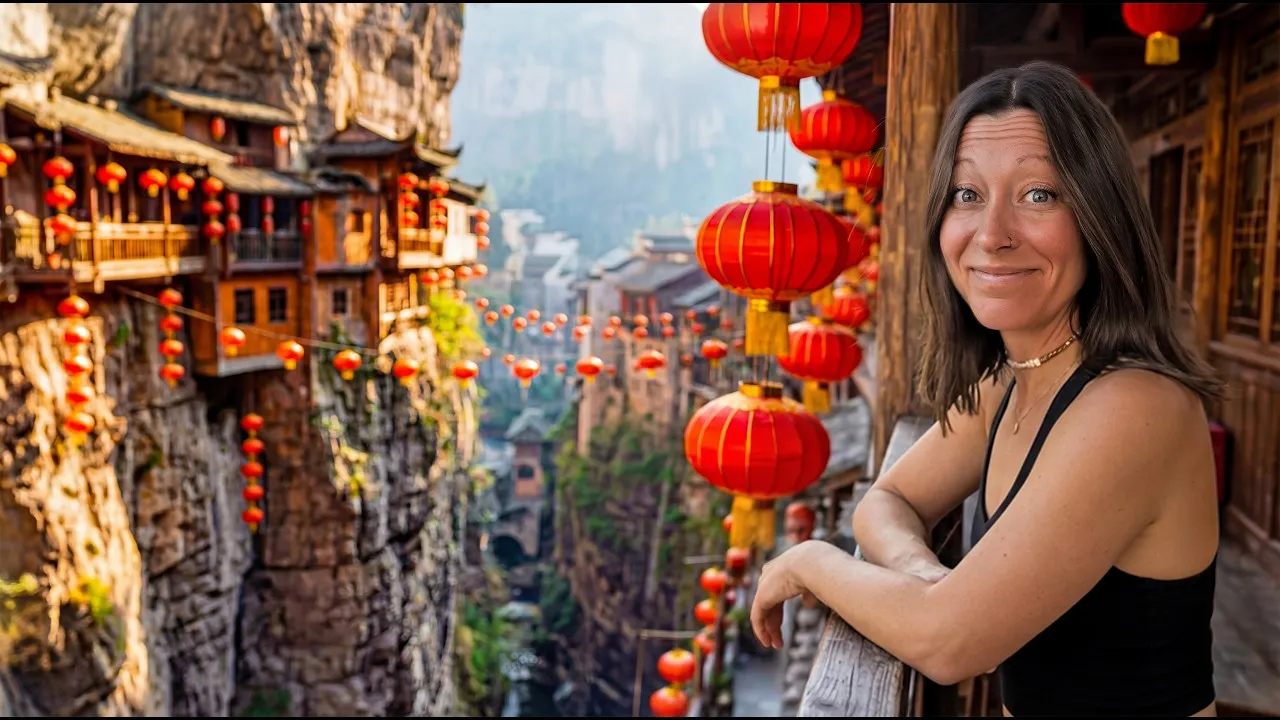
In contrast, destinations like Wangshan Village, a meticulously recreated ancient town, offer a different type of lodging experience. While the village itself is designed for maximum photogenic appeal and tourism, accommodation directly within the town can be limited. Many visitors may need to stay outside and commute. The available rooms, however, are often well-appointed, with spacious living areas, modern amenities like Dyson hair dryers, and thoughtful touches such as tea party setups and included gifts. The overall aesthetic is one of comfort blended with traditional design, providing a serene retreat after exploring the bustling village.
Further afield in Furong, an ancient city perched atop a waterfall, the accommodation options include hotels with private balconies and hot tubs, offering spectacular views of the falls and the illuminated town at night. Such features significantly enhance the stay, providing a luxurious and relaxing environment. While specific hotel names may vary, the general standard observed suggests comfortable rooms and excellent service, making it a highly recommended part of a multi-destination trip for its blend of historical context and modern comfort.
Working & Connectivity
For the business traveler, navigating China's connectivity and work environment requires some adaptation. While major cities like Shanghai boast advanced infrastructure, venturing into more remote, albeit tourist-heavy, regions presents a slightly different landscape. Language can be a significant barrier, making translation apps like Google Translate an indispensable tool for daily interactions, from ordering food to understanding local instructions, especially when direct communication is not possible.
Regarding connectivity, while not explicitly detailed in every location, it can be inferred that luxury hotels, such as the InterContinental Shanghai Wonderland and the well-appointed hotel in Furong, would offer reliable Wi-Fi services essential for staying connected. However, specific details on SIM card acquisition, eSIM compatibility, or dedicated coworking spaces were not highlighted, suggesting that business travelers should plan for these aspects in advance, particularly when outside major metropolitan areas. The efficient, passport-linked ticketing systems and facial recognition for entry into attractions, however, demonstrate a high level of digital integration in certain public services.
While not a traditional workspace, the 24-hour luxury spa in Shanghai offers an environment with extensive amenities that could potentially support work-life balance. With comfortable sleeping rooms, various relaxation zones, and unlimited food and drink, it provides a unique space for unwinding or even catching up on light tasks in a relaxed setting, though its primary purpose is leisure. For more conventional work, relying on hotel facilities in the main cities and ensuring data roaming or local SIM provision for regional travel would be the most practical approach. Time zone differences from Western countries are substantial, requiring careful scheduling for international calls and meetings.