Overview & First Impressions
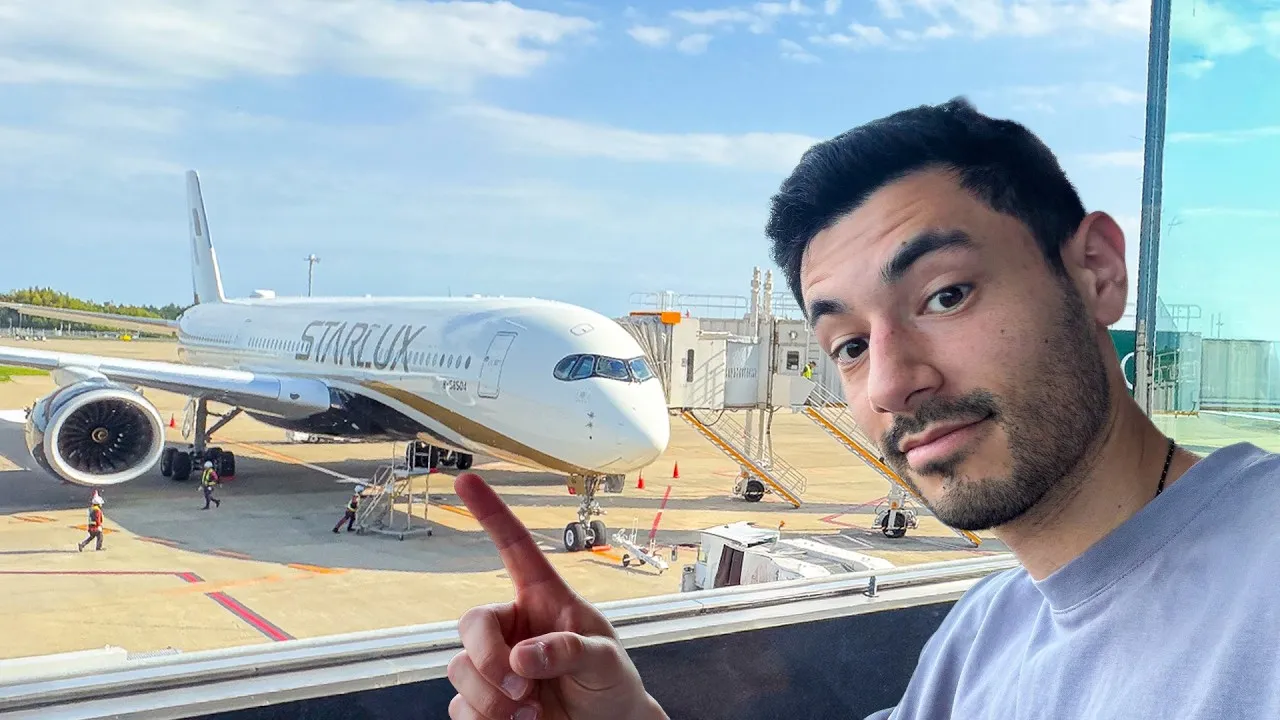
The journey with Starlux, Taiwan's intriguing "revenge airline," commences not with the usual pre-flight rituals but with a deep dive into its unique genesis. Unlike most global carriers, Starlux doesn't fit the mold of either a state-owned flag carrier or a disruptor capitalizing on market gaps. Instead, it was born from the ambition and personal conviction of its founder, Jiang Guoi (KW), following a dramatic family succession battle that saw him ousted from EVA Air, an airline he had previously led to record success. This highly personal origin story imbues Starlux with a distinct character, aiming from its inception to establish itself as a premium, boutique luxury carrier, often described as the "Emirates of Taiwan." The recent flight, an economy service from Narita Airport to Taipei, offered an opportunity to experience this unique philosophy firsthand. Initial pre-flight moments at Narita presented minor frustrations: a last-minute booking precluded a coveted window seat, and a baggage check-in error, where a bag was dispatched without a tag, caused temporary concern. Notably, these issues were attributed to ground handling staff, likely from Japan Airlines, rather than Starlux's direct operations, allowing the focus to remain on the airline itself. Despite these small hitches, the anticipation for experiencing a carrier built with such a specific vision and commitment to high standards, even in economy, was palpable. The airline's rapid growth since its challenging launch during the COVID-19 pandemic, coupled with its founder's unwavering resolve and significant personal investment, underscores a dedication to quality that promises a departure from conventional economy travel. This backdrop of ambition and resilience sets a high bar for the onboard experience.
Seat, Cabin & IFE
Stepping aboard a Starlux A321 Neo for a regional flight, the cabin immediately conveys a sense of premium design and meticulous upkeep. The interior is consistently described as "immaculate," a testament to the airline's commitment to a pristine environment for all passengers, including those in economy. While specific seat dimensions like pitch or width are not provided, the overall impression for an economy product is "very nice," suggesting comfort beyond the average. The cabin environment is further enhanced by thoughtful details designed to create a cohesive brand experience. A custom scent is subtly diffused throughout the cabin, contributing to a distinctive and pleasant atmosphere. The onboard music, a custom jazz guitar tune, adds another layer of sophistication, moving beyond generic background sounds. Even the crew uniforms, designed by a Taiwanese fashion designer, blend 1940s aviation glamour with a modern, "space age" aesthetic, reinforcing the airline's unique brand identity.
The in-flight entertainment (IFE) system on Starlux is noted as "decent," offering a solid selection, though perhaps not matching the extensive depth found on carriers like Emirates. Crucially for modern travelers, the system incorporates "techy" features, including Bluetooth audio options, allowing passengers to use their personal wireless headphones – a significant convenience often absent in economy cabins. Ample charging options are available at each seat, featuring both standard power outlets and dedicated USB-A and USB-C ports, catering to a wide range of devices. This attention to connectivity ensures passengers can keep their electronics powered throughout the flight. Although Wi-Fi availability or cost is not detailed, the comprehensive power and audio connectivity highlight Starlux's focus on passenger comfort and technological integration, positioning its economy offering well above many competitors. The overall impression is one of a well-appointed and modern cabin, designed to make even a short-haul economy flight feel distinctly premium.
Food, Drinks & Service
The in-flight catering in Starlux economy class sets a high benchmark, with the food explicitly praised as "pretty damn good." This strong endorsement signifies a departure from the often functional and uninspired meals typically found in economy cabins. While the specific menu offerings or a comprehensive drinks list for this particular flight are not detailed, the overall quality suggests a thoughtful approach to culinary presentation and taste, aligning perfectly with Starlux's overarching goal of delivering a premium experience across all cabins. This focus on elevated dining is a crucial element in the airline's strategy to distinguish itself and challenge established full-service carriers in Asia and beyond.
Beyond the meals, the service experience on Starlux contributes significantly to its boutique luxury appeal. The cabin crew, dressed in custom uniforms designed by a Taiwanese fashion designer, exude a sophisticated and unique aesthetic that blends 1940s aviation glamour with a "space age" flair. This attention to detail in presentation is a hallmark of the Starlux brand, reflecting the founder's vision for a visually cohesive and high-quality airline. While the transcript doesn't delve into specific interactions or examples of crew attentiveness during this economy flight, the general impression conveyed, coupled with Starlux's stated ambition to rival airlines like Emirates, Qatar Airways, and Singapore Airlines, implies a service culture focused on professionalism, efficiency, and passenger comfort. The integrated approach to branding, from the custom cabin scent and onboard music to the crew's appearance, creates an environment where every element is designed to convey a message of luxury and exclusivity. This consistent branding ensures that even in economy, passengers feel they are experiencing a product that aims for the highest global standards, making the overall service feel polished and superior.