Overview & First Impressions
This review details a unique long-haul economy experience aboard IndiGo flight 6E11 from Delhi (DEL) to Istanbul (IST). What makes this flight extraordinary is the operational structure: while marketed and staffed by IndiGo cabin crew, the Boeing 777-300ER aircraft, cockpit crew, maintenance, and insurance are provided by Turkish Airlines. This arrangement circumvents bilateral air service agreement limits between India and Turkey, allowing Turkish Airlines to increase capacity by partnering with IndiGo.
The journey began at Delhi's Indira Gandhi International Airport (DEL) Terminal 3 in the very early morning. The ground experience was notably challenging. Entry into the terminal required a boarding pass or booking confirmation, which caused initial delays. The check-in process was protracted, with a 43-minute wait in line, followed by an additional 1 hour and 26 minutes to clear security and passport control. This meant over an hour and a half to reach airside, significantly impacting pre-flight time. A brief visit to a lounge was limited to a quick coffee and muffin due to the extensive delays.
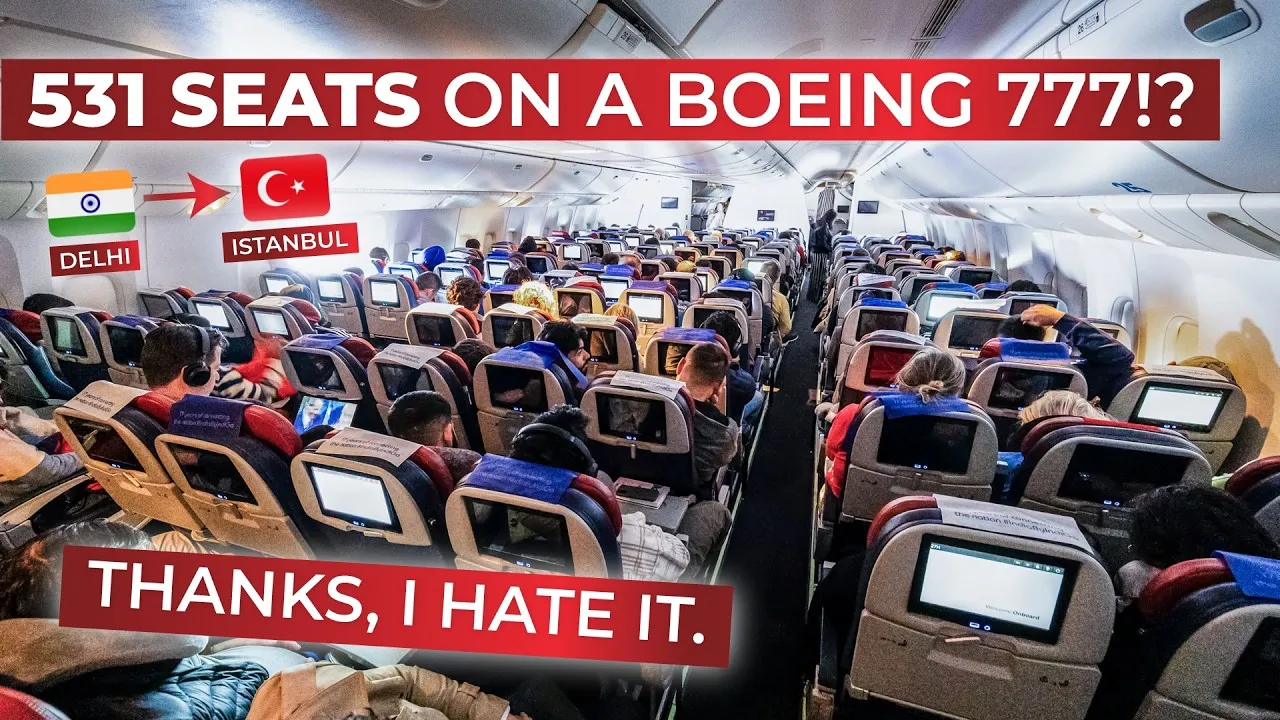
Boarding for flight 6E11, operated by a 2009-built Boeing 777-300ER (registration TC-LKD), commenced 45 minutes behind schedule and pushed back an hour late. The boarding process for the 531-passenger aircraft was described as chaotic and time-consuming. Upon stepping aboard, the cabin's dense configuration, originally fitted for Russian leisure carrier Azour Air, was immediately apparent. The chosen seat, 15K, offered an excellent engine view, a small luxury reserved for an additional €14 during booking.
Seat, Cabin & IFE
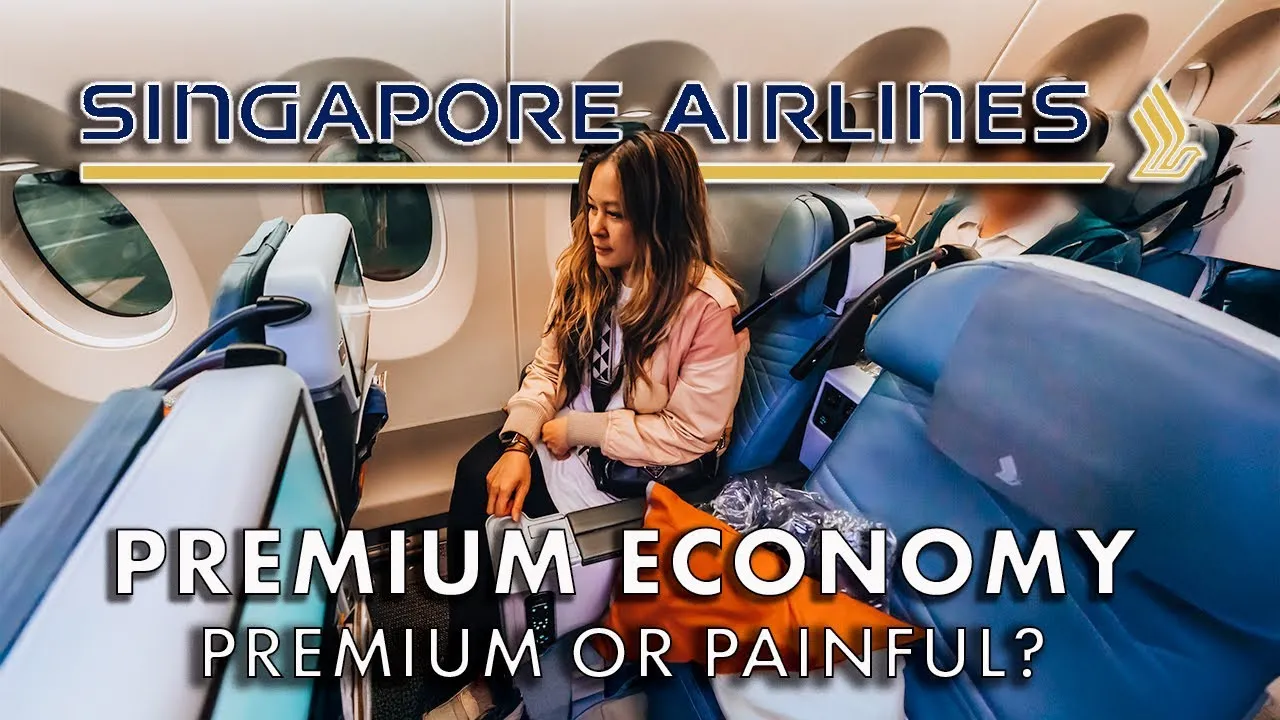
The aircraft, a Boeing 777-300ER, featured an incredibly dense economy class cabin configured in a 3-4-3 layout, accommodating 531 passengers across 60 rows. This configuration is comparable in density to some of the most packed Airbus A380s. The seats were Jven C8 models, with a dark blue and red color scheme hinting at its previous operator, Azour Air. Labels in Russian were still visible around the cabin, further emphasizing its barebones, used acquisition.
The seat itself offered an adjustable headrest, both vertically and on the sides. However, legroom was significantly restricted, primarily due to a hardware box beneath the seat housing the entertainment system. For a passenger 180 cm tall, the legroom was minimal, though not the absolute worst experienced. Each seat was equipped with a conventional seatback pocket, a simple fold-out tray table, and a coat hook. A USB-A port for charging small electronic devices and an audio port were located at the bottom of the entertainment screen. Universal power ports were not available. Overhead, adjustable reading lights were present, but there were no personal air vents for individual climate control.
The inflight entertainment (IFE) system, a Saffron Rafe touchscreen, was largely non-functional. It primarily served the downward-facing camera view and acted as a switch for the reading light. There was no content for watching or listening, not even an in-flight map to track the journey. The aircraft also lacked Wi-Fi connectivity or stream-to-device entertainment options, necessitating passengers to bring their own entertainment for the 6.5-hour flight. The lavatories were basic, stocked only with essential amenities like paper towels and generic hand soap, reflecting the overall no-frills cabin environment.
Food, Drinks & Service
IndiGo provided a complimentary hot meal service on this long-haul flight to Istanbul, likely a concession to Turkish Airlines' connecting passengers. The single meal option consisted of a mixed vegetable tikki, paratha, and aloo sabzi (potato and vegetable curry). This was served with a cold bread roll, butter, an off-brand biscoff cookie, and one complimentary beverage of choice. While the reviewer found the meal basic but tasty and filling, a fellow British Indian passenger humorously remarked it was "poor people food in India."
Beverage service was notably strict; passengers were allowed only one complimentary cup with their meal, with no option for additional free drinks, including coffee, tea, or water. This policy highlighted the low-cost nature of the IndiGo offering. Beyond the initial complimentary service, no further free beverages or snacks were provided during the 6.5-hour flight. Basic comfort items such as pillows or blankets were also not offered.
However, an array of items was available for purchase. Alcoholic beverages, such as a can of Budweiser, were priced at an exorbitant $10 USD. Smaller snacks started from $3 USD, and cup noodles or rice dishes were available for $5 USD, which included a beverage. A standout positive was the price of a 500ml bottle of water, available for just 100 Indian Rupees (approximately $1.20 USD), making it one of the cheapest water prices encountered on a low-cost carrier. The cabin crew, employed by IndiGo, managed the service efficiently within the strict parameters of the airline's product offering.