Overview & First Impressions
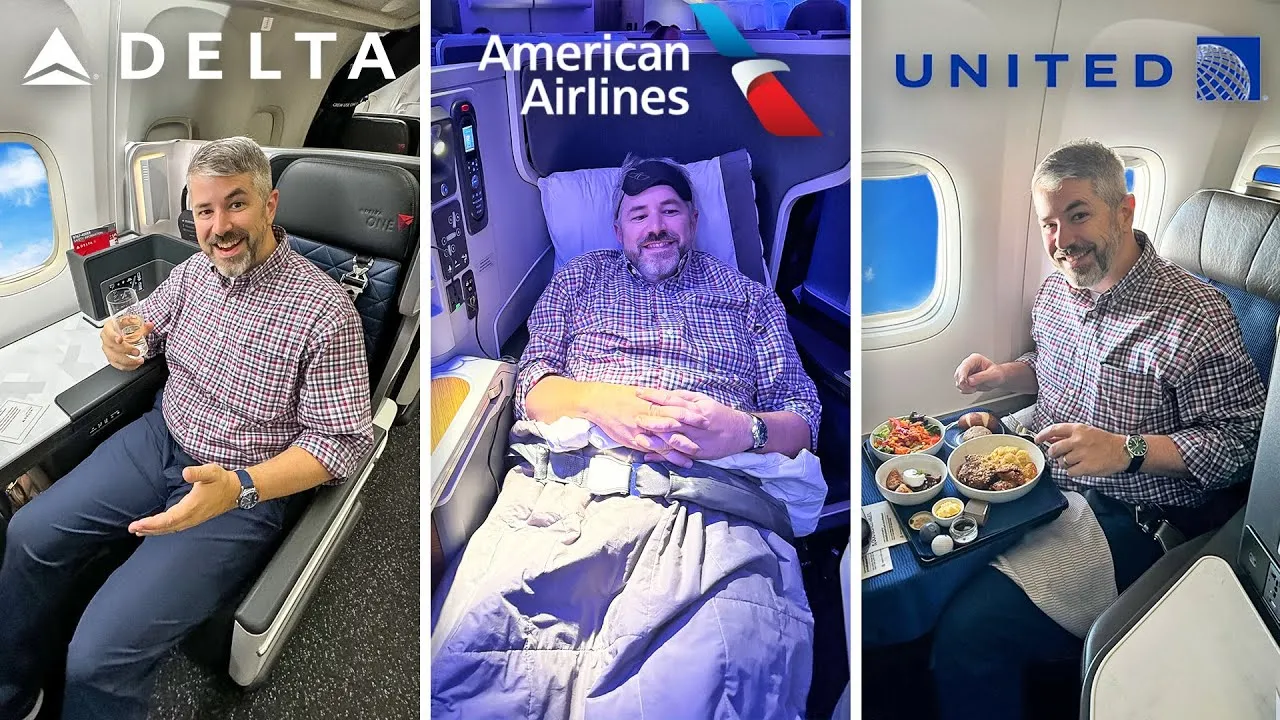
In a comprehensive transatlantic showdown, we pitted American Airlines, Delta Air Lines, and United Airlines against each other, flying their respective Business Class products across the Atlantic to determine which US legacy carrier truly offers the best experience. This review, spearheaded by Jeb Brooks and engineer Suzanne, takes a data-driven approach, meticulously evaluating everything from the pre-flight lounge experience to the onboard food, seating comfort, and service.
The journey spanned three distinct flights: American Airlines from New York (JFK) to London (LHR), United Airlines from London (LHR) back to Newark (EWR), and finally, Delta Air Lines from Atlanta (ATL) to London (LHR). Our goal was to provide an unbiased, practical tool for business travelers contemplating their next transatlantic crossing, highlighting both the strengths and weaknesses of each airline’s offering. Spoiler alert: the results were surprisingly close, leading to a nuanced verdict that emphasizes consistency and individual preferences.
- Airlines Compared: American Airlines, United Airlines, Delta Air Lines
- Routes Flown: JFK-LHR (AA), LHR-EWR (UA), ATL-LHR (DL)
- Evaluation Criteria: Lounges, Food, Seats, Inflight Entertainment (IFE), Service
- Methodology: Data-driven analysis with a focus on objective comparison
The Details
Our analysis of the onboard experience focused heavily on seat comfort, cabin configuration, and the inflight entertainment systems. Each airline presented a distinct offering, though consistency proved to be a key differentiator.
American Airlines Flagship Business (JFK-LHR)
We flew on an 11.5-year-old Boeing 7300 (likely a transcription error for a larger widebody aircraft, but as per transcript) featuring a 1-2-1 configuration. Passengers received a Casper pillow and blanket, slippers, an amenity kit (with Suzanne's favorite eye shade), and Bang & Olufsen headphones. The tray table was large and sturdy. However, the inflight entertainment system was notably dated and 'tired.' The screen was dim, difficult to interface with via touch, and often required the remote. While offering 381 movies (73 new releases), its functionality was a significant drawback. Wi-Fi was available for $35 for the entire flight.
United Airlines Polaris Business (LHR-EWR)
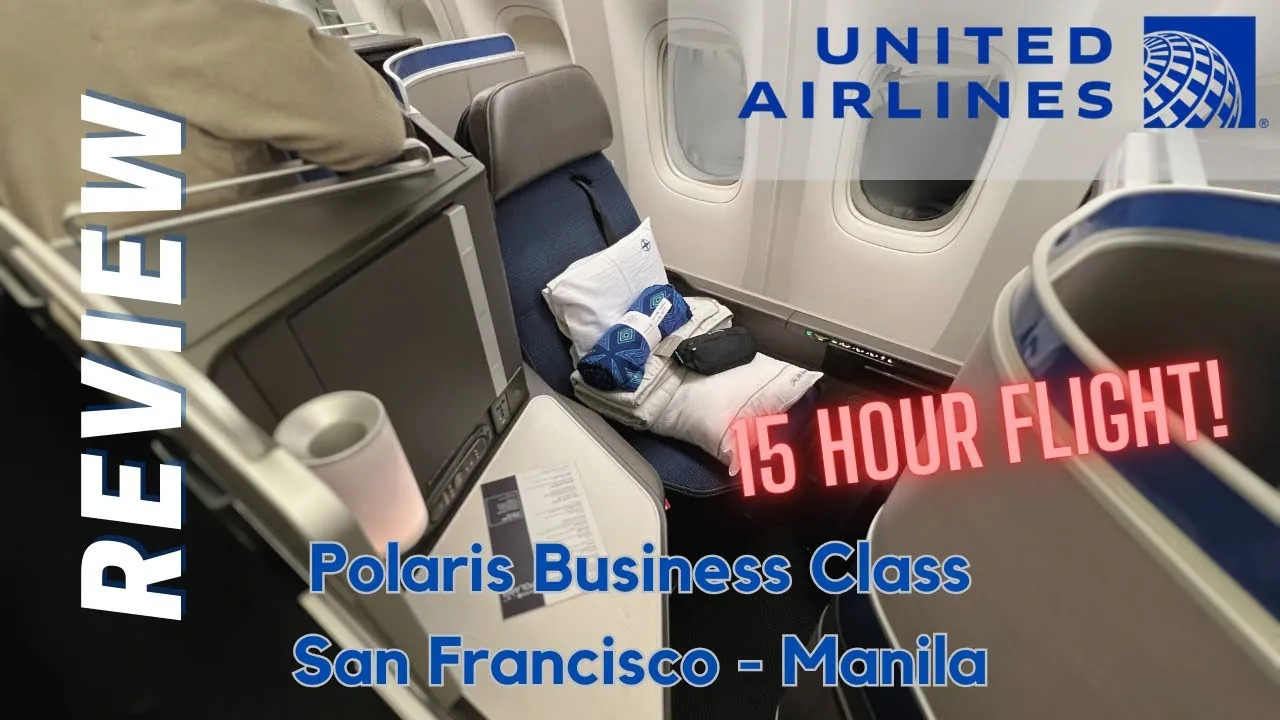
United offered the most consistent seat product across its international widebody fleet, a significant advantage. Our 22-year-old Boeing 767-300 featured a 1-1-1 configuration. Odd-numbered window seats offered more privacy. Each seat included two blankets, two pillows, an amenity kit, headphones, and a bottle of water, with slippers available on request. The IFE provided 343 movies (37 new releases) and a useful 'order of operations' for service. The headphones were deemed 'okay' but not highly noise-canceling. Wi-Fi cost $37 for the entire flight. The seat itself was praised for its comfort and cushioning, particularly for side sleepers, despite a tight footwell typical of business class.
Delta Air Lines Delta One (ATL-LHR)
Delta's 23-year-old Boeing 767-400 showcased the variability within their fleet, though our specific aircraft also featured a 1-2-1 configuration (even-numbered window seats offering more privacy). Amenities included one blanket, one pillow, slippers, headphones, a bottle of water, and an amenity kit (though one was missing upon boarding). The IFE system was a standout, offering 504 movies (19 new releases) and excellent headphones. Crucially, Wi-Fi was significantly cheaper at $5 and proved to be much faster than on the other two airlines. While the bed was comfortable for a lie-flat experience, the footwell and shoulder space were noted as somewhat tight, particularly for shorter transatlantic flights.
Service & Amenities
The pre-flight lounge experience, onboard dining, and crew service were critical components of our transatlantic comparison, revealing distinct strengths and weaknesses across the three carriers.
Lounges
United Airlines emerged as the clear winner for its Polaris lounges, which are available at six of its seven transatlantic hubs (only Denver lacks one). These lounges are described as beautiful spaces with ample seating, extensive buffets, and even à la carte dining, offering a truly elevated and exclusive experience. While we departed from London, accessing the United Club (one of the nicest in their system with the longest bar), the Polaris lounges in the US were highlighted as superior.
American Airlines provided access to the Greenwich Lounge at JFK, a space co-hosted with British Airways. It offers a buffet, made-to-order food, and views, similar to Flagship lounges at other hubs like LAX or DFW, and a significant upgrade from Admirals Clubs. However, American's lounge approach was noted as potentially confusing due to variations by departure airport.
Delta Air Lines currently lags in the premium lounge category. For most of its transatlantic departures (seven of eight hubs), passengers are relegated to the Sky Club, which often faces criticism for overcrowding. While the Atlanta Sky Clubs we visited offered buffets (including local specialties like ribs) and some had outdoor spaces, they did not match the elevated experience of a Polaris or Flagship lounge, though Delta is rolling out new Delta One lounges at hubs like JFK.
Dining & Service
American Airlines took first place for food. Our pre-ordered Macadamia crusted sea bass with citrus cream sauce was described as 'nailed it'—light, refreshing, and delicious, a welcome departure from often-heavy airline meals. Suzanne enjoyed her pan-roasted chicken, and the traditional ice cream sundae was a hit. Service included pre-departure beverages, hot towels, and prompt meal delivery, though breakfast service was missed despite a wake-up request, allowing for more sleep.
Delta Air Lines secured the win for service speed. Despite a minor amenity kit issue and noisy galley crew, the overall meal service was quick and efficient, beginning with drinks 23 minutes after departure. The lamb meatballs were a personal favorite, and Suzanne enjoyed the roasted chicken. Dessert options like banana pudding cheesecake and ice cream sundaes were well-received. The pre-landing red pepper frittata was also a good snack.
United Airlines placed last in both food and service. While the goats cheese appetizer was praised, the pre-ordered beef tenderloin was overcooked and dry, and the corn accompanying Suzanne's chicken was over-seasoned. The Wellington Burger for the pre-arrival meal was indulgent but came with disappointing, soggy fries. Service was impacted by an announced understaffing in the Polaris cabin, leading to a noticeably slower meal delivery, though the flight attendants were otherwise professional and helpful.