Overview & First Impressions
Our journey home to Melbourne with Malaysia Airlines began with a short, two-hour feeder flight from Bangkok (BKK) to Kuala Lumpur (KUL) on a Boeing 737. This first leg immediately set a positive tone for Malaysia Airlines' renowned service, with cabin crew proving consistently fantastic—a standard upheld throughout the entire trip. The 737 featured a newer Business Class cabin, which, despite lacking seat-back TVs, offered a solid product with handy phone/tablet holders, Wi-Fi for streaming, generous legroom, and comfortable recline. Blankets and pillows were provided, a thoughtful touch even for a short daytime flight. A full meal service, including salmon pasta, a side salad, and a unique pistachio Thai custard, was impressively offered for the brief duration.
Following this, an 8.5-hour layover at Kuala Lumpur International Airport (KUL) provided an opportunity to experience the Malaysia Airlines Lounge. This facility, generally calm and spacious, offered reasonably nice nap rooms, acceptable food, and never felt crowded. However, the showers were notably subpar. During this extended layover, we delved into the complex history of KUL airport. Designed in the 1990s to be one of the world's largest, KUL's ambitious plans were derailed by the 1997 Asian financial crisis and the rise of low-cost carrier AirAsia. This led to the creation of a separate Terminal 2 for budget airlines, effectively segmenting premium and low-cost travelers. Terminal 1, while architecturally impressive with its glass walls and rainforest enclosure, now feels somewhat desolate, with limited activities during layovers. A significant ongoing issue is the non-operational train system connecting the main and satellite terminals, forcing passengers onto inconvenient bus transfers since March 2023, with no resolution expected until early 2025.
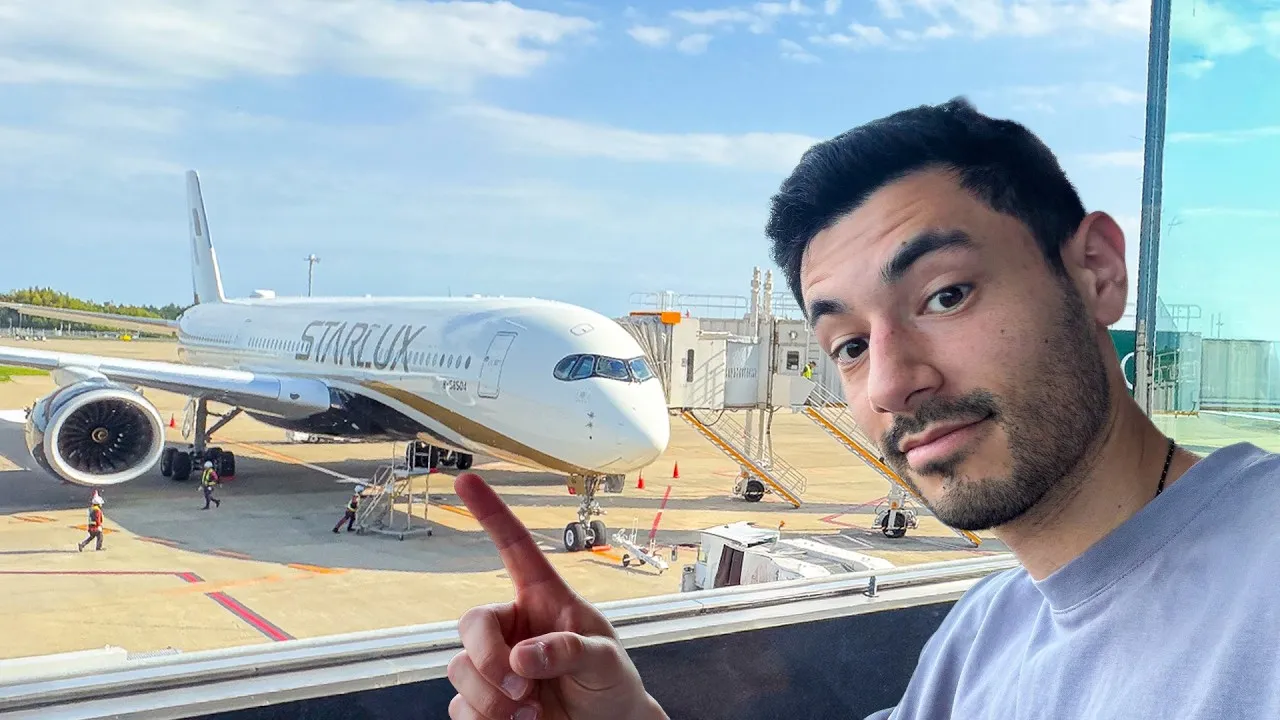
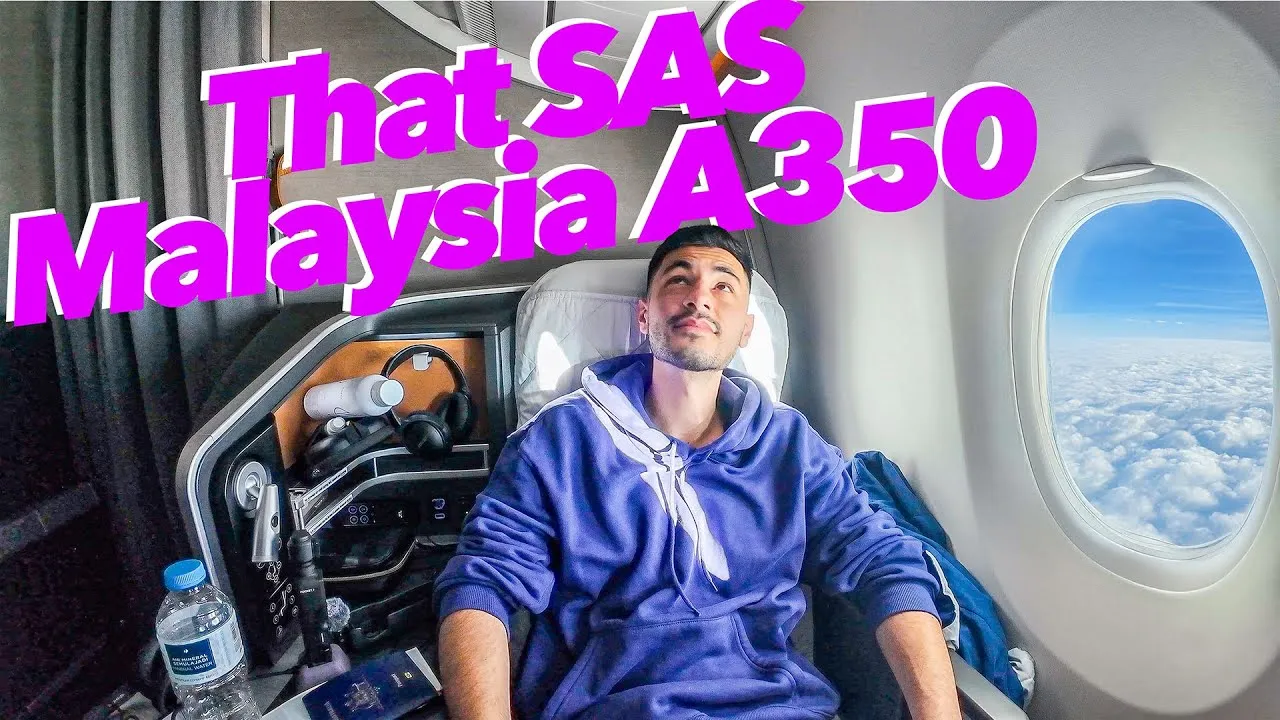
The main event, the 7-hour flight from KUL to Melbourne (MEL), was operated by a unique ex-Scandinavian Airlines (SAS) Airbus A350. Acquired by Malaysia Airlines during SAS's bankruptcy protection, the aircraft retains its original SAS cabin configuration, offering a distinct experience that differs from Malaysia Airlines' standard fleet. This blend of Malaysian hospitality with a Scandinavian-designed hard product promised an interesting journey.
The Details
Stepping aboard the ex-SAS A350 for the Kuala Lumpur to Melbourne leg, the Business Class cabin presented a familiar layout to those who might have flown with Philippine Airlines or Qantas on similar aircraft. My seat, 12A, was a 'window-window' configuration, offering direct aisle access and a sense of privacy. While the overall cabin aesthetic was pleasing, a notable drawback was the constricted footwell, which somewhat limited movement when fully reclined. Despite this, the seat length and width were generally comfortable for sleeping, particularly with the addition of a mattress pad—a welcome enhancement not present on Malaysia Airlines' A330 Business Class.
The amenity kit provided by Malaysia Airlines was a standout. Housed in a remarkably nice, wide-opening bag, it contained standard items like socks, an eye mask, and a dental kit, alongside more luxurious touches such as lip balm, nourishing body cream, and a refreshing facial mist. A unique inclusion was a 'pulse point roller ball,' offering a distinct sensory experience. In terms of power, the cabin offered multiple charging options: two USB-A ports delivering a modest 5-7.5 watts, but crucially, a 60-watt USB-C port. This fast-charging capability is a significant advantage, especially considering many new cabins in 2024 still lack adequate high-speed charging.
The inflight entertainment (IFE) system was functional, if not outstanding. It boasted 143 movies, a decent selection for a long-haul flight, though the TV show library was less extensive. A positive aspect was the inclusion of multiple episodes for popular series (e.g., 19 episodes of Friends), allowing for extended viewing. The system also featured tail and forward cameras. A particularly impressive technical detail was the IFE's instant loading capability: users could drag the progress bar to any point in a movie, and playback would commence immediately without any buffering or loading delays, a feature rarely seen on other airlines. However, pre-roll advertisements were a minor annoyance.
The aircraft's SAS heritage was subtly evident. While Malaysia Airlines had diligently replaced headrest covers and repainted the exterior, one clear remnant was the Wi-Fi network listing 'SAS Wi-Fi,' which unfortunately resulted in an internal server error when accessed. The plane also featured a small Premium Economy cabin, which Malaysia Airlines does not sell as a separate class; these seats are reportedly assigned to economy passengers with status or through lucky upgrades. The lavatories were modern, clean, and well-maintained, offering hand and body lotion and a strong, flowery eau de toilette.
Service & Amenities
Malaysia Airlines' service consistently impressed, with cabin crew demonstrating the high standards the airline is known for. The personalized approach, including addressing passengers by name (even if occasionally confused between first and last name, as was the case for the reviewer), added a warm touch to the Business Class experience. This level of attentiveness was a highlight throughout both flight segments.
On the initial two-hour Bangkok to Kuala Lumpur flight, the full meal service was a pleasant surprise for such a short duration. The salmon pasta, accompanied by a fresh side salad and a unique pistachio Thai custard, was generally well-received. A particular culinary highlight, consistently praised by the reviewer across multiple flights, was Malaysia Airlines' signature peanuts. Described as "an experience" and "perfectly roasted, perfectly salted," these nuts were savored as a moment of "pure bliss."
The longer Kuala Lumpur to Melbourne flight, departing late at night, offered a 'Dine Anytime' light bites menu instead of a traditional dinner service, followed by breakfast before landing. Having napped in the lounge, the reviewer was hungry, but unfortunately, the desired egg noodles were unavailable due to the seatbelt sign. A chicken sandwich was offered as an alternative, which, while not particularly flavorful, sufficed to stave off hunger. The bed setup for sleep was enhanced by a mattress pad (or 'Duna'), a significant improvement over previous Malaysia Airlines A330 Business Class experiences, contributing to a solid three hours of sleep. However, the provided pillow was noted as being too small and lacking neck support.
Breakfast service, approximately two hours before arrival in Melbourne, was a multi-course affair. The croissant with marmalade was a delightful combination. The main course, a steak dish with gravy, potato, asparagus, and tomatoes, was visually appealing but suffered in execution. The steak was described as "massively overcooked" and "a little bit gray," while, ironically, the potato was slightly undercooked. Despite the conceptual appeal of steak for breakfast, the inconsistent cooking quality was a letdown, suggesting room for improvement in catering execution on this particular flight.