Overview & Specs
For the discerning business traveler, optimizing travel gear is not merely a matter of convenience but a strategic imperative for maintaining productivity, comfort, and efficiency on the road. The right selection of luggage and accessories can significantly streamline journeys, reduce stress, and ensure readiness for any professional engagement. This analysis delves into a range of essential items, from foundational bags to specialized personal comforts, highlighting features and considerations critical for frequent travelers.
A core debate revolves around luggage strategy: carry-on versus checked bags. The overwhelming sentiment among seasoned travelers favors carry-on only, citing the invaluable time saved by avoiding baggage claim and minimizing the risk of lost luggage. This preference drives choices in luggage design, emphasizing compact yet capacious options. Beyond bags, a diverse array of accessories is deemed essential, including noise-canceling headphones for undisturbed work or rest, personal care items like advanced lip balm or travel wipes for hygiene, and innovative tech solutions such as portable ergonomic setups. The discussion emphasizes investing in durable, high-quality gear often backed by warranties, recognizing that cheap alternatives may prove costly in the long run due to frequent replacements or failures.
Key categories explored include various luggage types (hard-sided rollers, soft-shell backpacks), personal electronics (headphones, e-readers, portable chargers), comfort items (sleep masks, heated vests), and organizational tools (packing cubes, tech pouches). The overarching theme is a personalized approach to gear selection, acknowledging that while some items are universally beneficial, individual travel patterns and preferences dictate the ultimate 'must-haves'. The goal is to curate a collection that supports a seamless travel experience, allowing professionals to focus on their objectives rather than logistical challenges.
Build Quality & Features
The foundation of effective business travel gear starts with luggage, where design and construction significantly impact usability. A common point of contention is between clamshell-style suitcases, which open flat into two halves, and top-loader designs, which offer a single, deep compartment. Advocates for top-loaders argue for their superior versatility, allowing for vertical packing that maximizes space and offers easier access to items without completely unfolding the bag. This contrasts with clamshells, which segment space horizontally. For checked luggage, durable hard-sided options are favored over soft shells for their protection, though soft shells are noted for their prevalence among airline crew, possibly due to flexibility or specific storage needs. The importance of robust, four-wheel spinner systems is universally acknowledged for effortless navigation through airports, a stark contrast to older two-wheel designs.
Backpacks serve as crucial personal items, with features like clamshell openings (similar to suitcases) gaining traction for enhanced organization. A preferred backpack, the Kodapaxi Alpa 35, exemplifies this with its full-zip clamshell design, allowing it to function like a small suitcase for clothing, complemented by multiple zippered compartments for quick-access items like passports, phones, and snacks. Its construction from recycled materials and inclusion of locking zippers and a dedicated laptop compartment further enhance its appeal. However, a design flaw noted is the placement of its single water bottle pocket, which becomes inaccessible when the backpack is mounted on a suitcase handle. Other backpack considerations include expandable designs, like the Osprey Travel Light, for adaptability to varying packing needs and airline size restrictions.
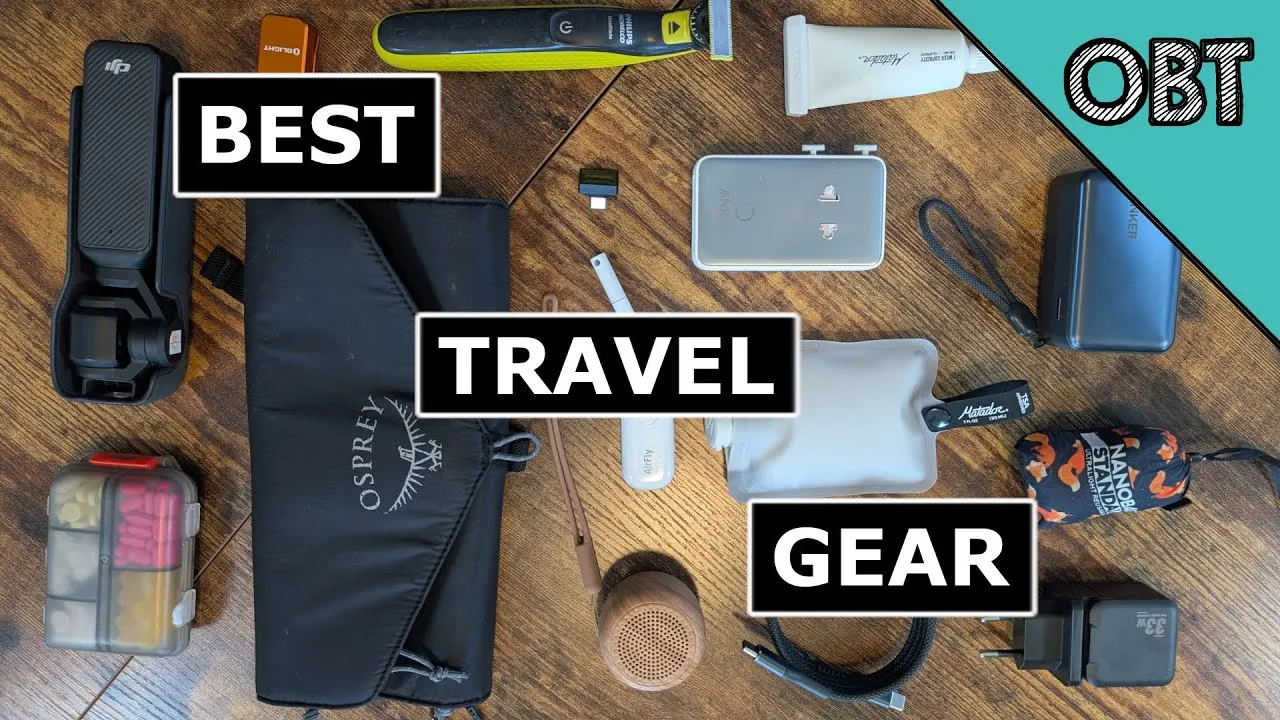
Technological accessories are paramount. Apple AirPods 3 are lauded for their superior noise cancellation—equated to over-ear headphones—and a unique live translation feature, proving useful in international settings. Portable power solutions include MagSafe-compatible power banks with integrated stands and multi-port travel power strips, offering secure charging options beyond potentially compromised hotel USB ports. For in-flight entertainment, devices like the Airfly allow wireless headphone connection to aircraft systems. Ergonomic work tools such as adjustable laptop stands and foldable Bluetooth keyboards are indispensable for digital nomads, preventing discomfort and improving posture while working remotely. Personal comfort items range from advanced Bluetooth sleep masks for integrated audio and light blocking to heated vests with multiple temperature settings and neck warmth, offering adaptable insulation without the bulk of heavy coats. Practical items like tea tree travel wipes, compact vitamin/medicine organizers, and a travel massage gun round out a comprehensive kit designed for maximum efficiency and well-being.
Real-World Performance
The true test of any travel gear lies in its real-world performance, where convenience, durability, and practical utility dictate its value. The strong preference for carry-on luggage among frequent travelers is rooted in efficiency. Avoiding checked bags eliminates significant wait times at baggage claim, which can accrue to hours over multiple trips, directly impacting valuable vacation or work time. This strategy also mitigates the risk of lost or delayed luggage, a common source of travel stress. However, situations like extensive dive trips or transporting wedding attire necessitate checking bags, albeit reluctantly.
Security checks often present unexpected challenges for certain gear. Items like large dive lights, which appear as "solid black tubes with wires" on X-ray scanners, frequently trigger secondary inspections. Similarly, drones, while indispensable for content creators, can cause significant delays or even confiscation, as experienced in Kenya due to wildlife protection regulations. Even seemingly innocuous items like single-blade razors have been routinely confiscated, highlighting the unpredictable nature of security protocols. The discussion also touches upon past issues in Mexico where travelers with multiple electronic devices faced taxes, a policy since reversed.
Durability of luggage, particularly wheels, is a critical performance metric. Investing in reputable brands with good warranties is emphasized, as wheel breakage can severely hinder mobility, especially in busy airports. Experiences with cheaper luggage, while sometimes functional for occasional use, often result in dents or premature wear. In-flight comfort is significantly enhanced by noise-canceling headphones like the Apple AirPods 3, which offer excellent sound isolation without the bulk or warmth issues of over-ear models during long-haul flights. The live translation feature of these AirPods has proven genuinely effective in real-world conversations, such as during a trip to Colombia. Similarly, a heated vest provides adaptable warmth, effectively replacing bulky layers in cold climates like Europe or Antarctica. For digital nomads, the combination of a portable laptop stand and a foldable Bluetooth keyboard transforms any surface into an ergonomic workstation, crucial for maintaining comfort and preventing strain during extended work sessions on the road.
Organizational tools like vitamin/medicine kits and tech pouches simplify access to essentials and prevent clutter. While packing cubes are a point of debate—some find them indispensable for separating clean from dirty clothes and streamlining unpacking, others argue they add unnecessary bulk and complexity—their utility is often tied to individual packing styles and trip duration. Lastly, personal care items like travel wipes and specialized sleep aids, including jet lag relief gummies and magnesium supplements, contribute to overall well-being and recovery, particularly after long international flights.